


499 Main Street S #81
Brampton, Ontario L6Y 1N7

Why Does My Eye Keep Twitching? Causes, Treatment & When to See an Eye Doctor in Brampton
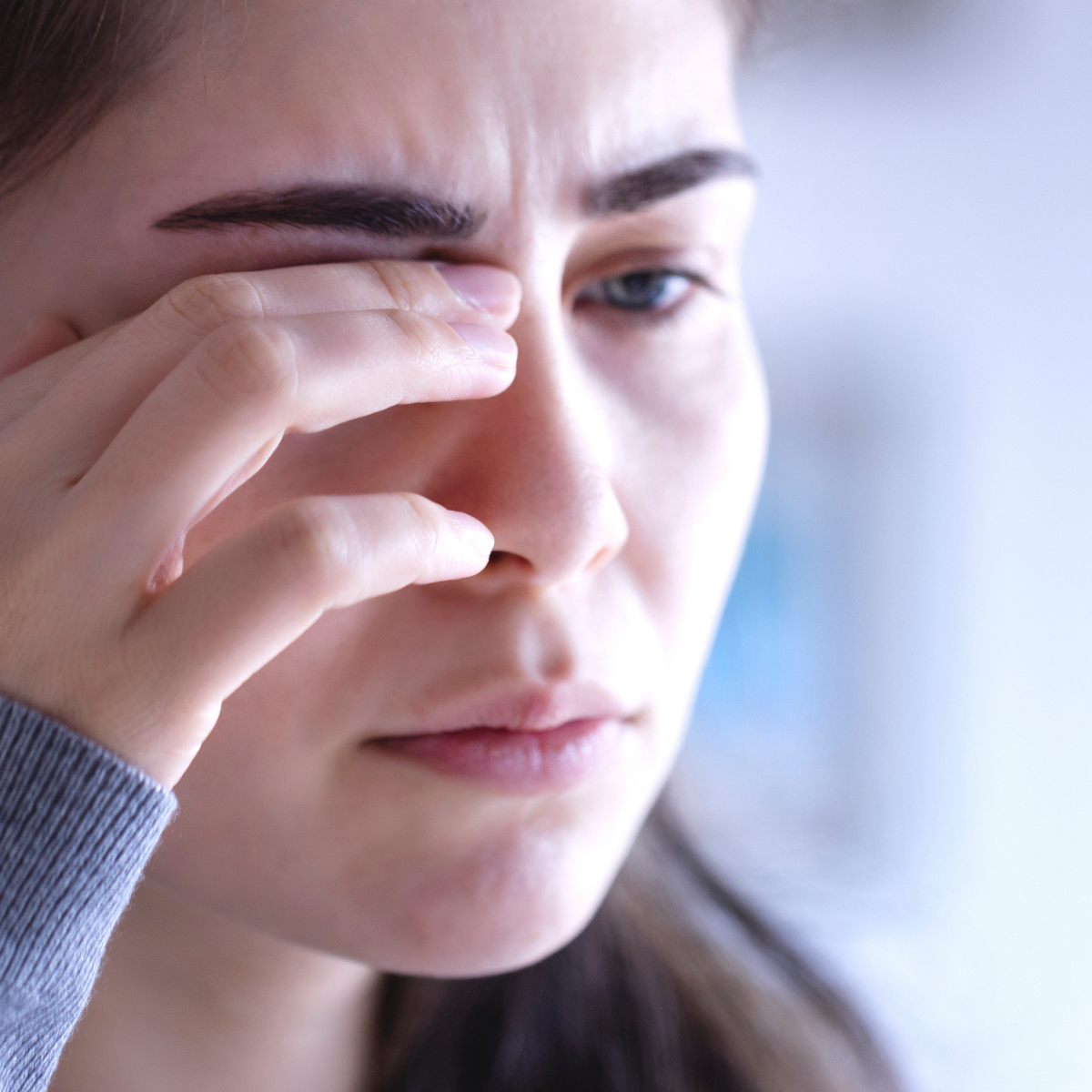
Wondering why your eye keeps twitching? In most cases, eye twitching is harmless and is commonly caused by stress, fatigue, too much caffeine, digital eye strain, or dry eyes. While it often goes away on its own, persistent twitching or twitching accompanied by other symptoms should be evaluated by an eye doctor.
At Brampton Eye Clinic, we help patients identify the underlying cause of eye twitching and recommend personalized treatment to keep their eyes healthy and comfortable.
What Is Eye Twitching?
Eye twitching, also known as eyelid myokymia, is an involuntary spasm of the muscles in your eyelid. It most commonly affects one eye and usually occurs in the lower eyelid.
While it can be frustrating, eye twitching is rarely a serious medical concern.
Common Causes of Eye Twitching
1. Stress
Stress is one of the most common triggers for eyelid twitching. When you're under physical or emotional stress, the muscles around your eyes can become more prone to small spasms.
2. Lack of Sleep
Not getting enough sleep can make the muscles around your eyes more sensitive and increase the likelihood of twitching. Aim for 7–9 hours of quality sleep each night.
3. Too Much Caffeine
Coffee, tea, energy drinks, and some supplements contain caffeine, which can overstimulate your nervous system. Cutting back for a few days may help reduce twitching.
4. Digital Eye Strain
Spending hours on computers, phones, or tablets can tire your eye muscles.
Digital eye strain may also cause:
Blurred vision
Headaches
Dry eyes
Difficulty focusing
Try following the 20-20-20 Rule: Every 20 minutes, look at something 20 feet away for at least 20 seconds.
5. Dry Eye Disease
Dry eye is another common cause of eyelid twitching. When your eyes don't produce enough quality tears, irritation on the surface of the eye can trigger muscle spasms.
You may also experience:
Burning or stinging
Gritty sensation
Watery eyes
Light sensitivity
Blurred vision
6. Changes in Your Vision
If your glasses or contact lens prescription has changed, your eyes may be working harder to focus. This extra strain can contribute to eyelid twitching and eye fatigue.
7. Seasonal Allergies
Itchy, watery eyes caused by allergies often lead to rubbing, which can irritate the eyelids and make twitching worse.
When Should You See an Eye Doctor?
Although most eye twitches resolve on their own, you should schedule an eye exam if:
The twitch lasts longer than one to two weeks
Your eyelid completely closes during the twitch
Your eyelid begins to droop
Your eye becomes red, swollen, or painful
You notice blurred vision or other vision changes
Other muscles in your face also begin twitching
A comprehensive eye exam can help determine whether your symptoms are related to dry eye disease, digital eye strain, changes in your prescription, or another underlying condition.
How Can You Stop Eye Twitching?
Simple lifestyle changes are often enough to relieve symptoms:
Get more sleep
Reduce stress
Cut back on caffeine
Stay hydrated
Take regular screen breaks
Treat dry eyes if they're contributing
Book an eye exam if symptoms continue
How Brampton Eye Clinic Can Help
If your eye keeps twitching, our optometrists can identify the underlying cause and recommend the most appropriate treatment.
Whether your symptoms are caused by dry eyes, digital eye strain, allergies, or changes in your vision, we're here to help you find lasting relief.
Book an Eye Exam in Brampton
While occasional eye twitching is usually harmless, persistent or recurring twitching shouldn't be ignored.
At Brampton Eye Clinic, we provide comprehensive eye exams and personalized treatment plans to help protect your vision and keep your eyes comfortable.
Book your appointment today and let our experienced team help you get to the root of your symptoms.
Frequently Asked Questions
Is eye twitching serious?
Usually not. Most eye twitching is caused by stress, fatigue, caffeine, digital eye strain, or dry eyes and resolves without treatment.
Can dry eyes cause eye twitching?
Yes. Dry eye disease can irritate the surface of the eye and trigger small muscle spasms in the eyelid.
Can too much screen time make my eye twitch?
Yes. Extended screen use can lead to digital eye strain, which may contribute to eyelid twitching, headaches, and dry eyes.
How long should an eye twitch last?
Most eye twitches disappear within a few days. If yours lasts longer than one to two weeks or is accompanied by pain, swelling, drooping, or vision changes, schedule an eye exam.


- Monday11:00AM - 7:00PM
- TuesdayClosed
- Wednesday11:00AM - 7:00PM
- Thursday11:00AM - 7:00PM
- Friday10:00AM - 5:30PM
- Saturday10:00AM - 5:00PM
- SundayClosed
In the Oshawa area? You can visit oshawaeyecare.com in Oshawa, ON
© 2026 Brampton Eye Clinic | All rights Reserved | Accessibility Statement | Privacy Policy
Powered by
