


499 Main Street S #81
Brampton, Ontario L6Y 1N7

UV Protection 365 Days a Year: Why You Should Wear Sunglasses in All Seasons
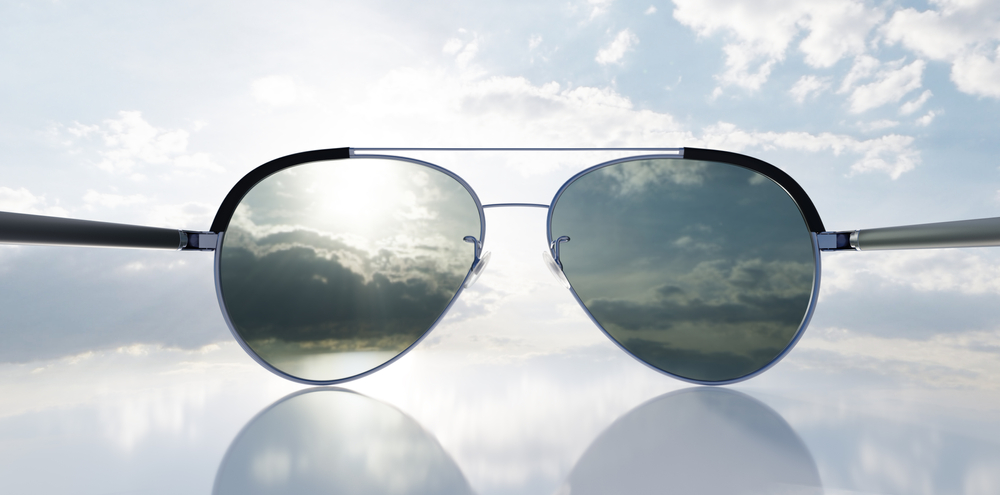
Many people think sunglasses are only necessary during the summer, but harmful ultraviolet (UV) rays are present year-round. Whether it’s a bright winter afternoon, a cloudy spring morning, or a crisp fall day, your eyes are constantly exposed to UV radiation that can cause both short-term discomfort and long-term eye health issues. Wearing sunglasses in every season is one of the simplest and most effective ways to protect your vision.
Understanding UV Radiation and Your Eyes
UV rays come from the sun and are invisible to the human eye. There are two main types that affect eye health:
• UVA rays, which penetrate deep into the eye and can contribute to long-term damage
• UVB rays, which are more intense and can cause surface-level damage, such as inflammation of the cornea
Over time, repeated UV exposure can increase the risk of conditions like cataracts, macular degeneration, photokeratitis (sunburn of the eye), and growths on the eye such as pterygium.
Winter: Snow Reflection Increases UV Exposure
Snow can reflect up to 80 percent of UV rays, significantly increasing exposure to your eyes. This makes winter sports, driving on sunny winter days, and even walking outdoors potential risks for UV-related eye damage. Wearing sunglasses during winter helps prevent glare, eye strain, and painful conditions like snow blindness.
Spring: UV Levels Rise Earlier Than You Think
As days grow longer in the spring, UV levels begin to climb, even when temperatures are still cool. Cloud cover does not block UV rays entirely, meaning your eyes can still be exposed on overcast days. Sunglasses provide consistent protection as your outdoor activity increases.
Summer: Peak UV Intensity
Summer brings the strongest UV radiation of the year. Prolonged exposure without protection can accelerate eye aging and increase the risk of long-term vision problems. Quality sunglasses with proper UV protection act as a critical shield during outdoor activities, driving, and vacations.
Fall: Lingering UV Risk
Even as temperatures drop, UV rays remain present. Leaves changing color and cooler weather can create a false sense of safety, but the sun’s rays can still damage your eyes. Sunglasses continue to play an important role in maintaining eye comfort and protection during fall months.
What to Look for in Proper UV-Protective Sunglasses
Not all sunglasses offer the same level of protection. When choosing sunglasses, look for:
• 100% UVA and UVB protection or “UV400” labeling
• Larger frames or wraparound styles to limit light entering from the sides
• Polarized lenses, which reduce glare and improve visual comfort (especially helpful for driving and outdoor activities)
Darker lenses do not automatically mean better UV protection. The UV rating is what truly matters.
Sunglasses and Prescription Eyewear
If you wear prescription glasses, prescription sunglasses are an excellent option for consistent protection and clear vision. Many people also benefit from photochromic lenses, which darken outdoors and provide UV protection automatically.
Find the Right Sunglasses for Every Season
Wearing sunglasses throughout all four seasons helps reduce glare, prevent eye strain, and protect your eyes from long-term damage caused by UV rays. Making sunglasses a daily habit is a simple step that can have a lasting impact on your vision and overall eye health.
Schedule a comprehensive eye exam at Brampton Eye Clinic to discuss your eye health, lens options, and year-round vision protection needs. Visit our office in Brampton, Ontario, or call (647) 348-9926 to book an appointment today.


- Monday11:00AM - 7:00PM
- TuesdayClosed
- Wednesday11:00AM - 7:00PM
- Thursday11:00AM - 7:00PM
- Friday10:00AM - 5:30PM
- Saturday10:00AM - 5:00PM
- SundayClosed
In the Oshawa area? You can visit oshawaeyecare.com in Oshawa, ON
© 2026 Brampton Eye Clinic | All rights Reserved | Accessibility Statement | Privacy Policy
Powered by
