


499 Main Street S #81
Brampton, Ontario L6Y 1N7

Seeing Halos Around Lights? 7 Causes & When to Get Your Eyes Checked
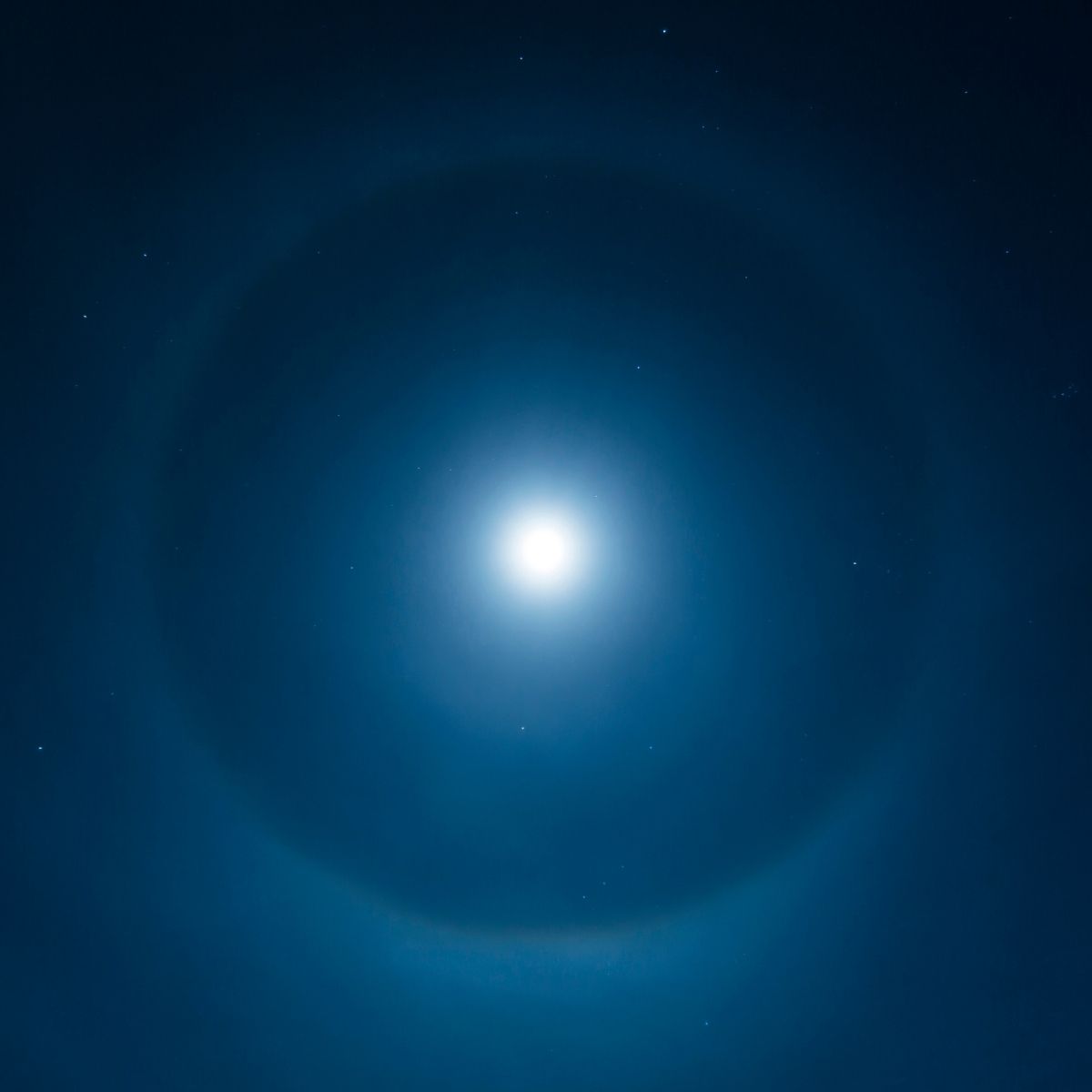
Seeing Halos Around Lights? 7 Causes & When to Get Your Eyes Checked
Have you ever looked at a streetlight or car headlights and noticed a glowing ring around the light?
These are known as halos around lights, and they’re often more noticeable at night.
Occasional glare doesn’t always mean something is wrong. But if you’ve suddenly started seeing halos, they’re getting worse, or you’re experiencing other vision changes, it’s worth finding out why.
Here are seven possible causes—and when you should have your eyes checked.
What Causes Halos Around Lights?
Halos can appear when light entering your eye doesn’t focus or pass through as clearly as it normally would. Instead, the light scatters, making bright objects appear hazy, blurry or surrounded by rings.
You may notice halos more when driving at night, looking at headlights or streetlights, or when your eyes are tired or dry.
The cause can range from a simple prescription change to an eye condition that needs treatment.
1. Astigmatism and Other Refractive Errors
Nearsightedness, farsightedness and particularly astigmatism can affect how light focuses inside your eye.
With astigmatism, lights may appear blurry, streaky or surrounded by halos—especially at night.
If it’s been a while since your last eye exam, your prescription may also have changed without you realizing it.
2. Dry Eye
Dry eye can affect more than how your eyes feel. It can affect how clearly you see.
An unstable tear film can cause light to scatter, contributing to halos, glare and fluctuating blurry vision.
If your halos come and go, particularly after screen time or later in the day, dry eye may be contributing.
3. Cataracts
Cataracts cause the normally clear lens inside your eye to become cloudy.
As light passes through the cloudy lens, it can scatter, making headlights appear to have halos around them.
You may also notice increased glare, difficulty seeing at night, hazy vision or colours appearing less vibrant.
4. Contact Lenses
Dry, dirty or poorly fitting contact lenses can affect the way light enters your eye and make halos more noticeable.
Contact lens wear can also contribute to dry eye for some people.
If you’re regularly seeing halos while wearing your contacts, mention it at your next eye exam.
5. Your Glasses Prescription Has Changed
Sometimes the cause is relatively straightforward: your prescription needs updating.
Small prescription changes can become particularly noticeable at night.
If headlights suddenly seem blurrier or night driving has become more difficult, an eye exam can determine whether your prescription has changed.
6. Corneal Changes
Your cornea is the clear front surface of your eye and plays an important role in focusing light.
Changes to its shape, clarity or health can cause halos, glare or distorted vision.
Because several conditions can affect the cornea, new or persistent symptoms should be examined.
7. Certain Eye Conditions
Most halos aren’t an emergency, but sudden halos can sometimes signal an eye condition requiring urgent attention.
One example is acute angle-closure glaucoma, where pressure inside the eye rises rapidly.
Seek urgent medical attention if sudden halos occur with severe eye pain, redness, headache, nausea, vomiting or a sudden significant change in vision.
Why Do I See Halos Around Lights at Night?
Halos often become more noticeable at night because your pupils naturally get larger in darker environments.
This can make refractive errors and other optical imperfections more noticeable. The contrast between bright headlights and a dark road can make glare even stronger.
That’s why you may see clearly during the day but struggle with halos around headlights when driving at night.
When Should You Get Your Eyes Checked?
Consider booking an eye exam if your halos are:
New or persistent
Becoming more noticeable
Affecting your ability to drive at night
Accompanied by blurry vision or other changes in your vision
An eye exam can help determine whether the cause is your prescription, dry eye, cataracts or another change in your eye health.
Seeing Halos Around Lights? Book an Eye Exam in Brampton
There isn’t one single cause of halos around lights.
At Brampton Eye Clinic, our optometrists can assess both your vision and eye health to help determine what may be behind halos, glare, blurry vision or difficulty seeing at night.
Seeing halos around lights or noticing a change in your night vision? Book a comprehensive eye exam at Brampton Eye Clinic.
Quick Answers About Halos Around Lights
Can astigmatism cause halos around lights?
Yes. Astigmatism can cause lights to appear blurry, streaky or surrounded by halos, particularly at night.
Can dry eyes cause halos and blurry vision?
Yes. An unstable tear film can contribute to light scatter, glare, halos and fluctuating blurry vision.
Why do I see halos around headlights at night?
Halos can become more noticeable as your pupils enlarge in low light. Astigmatism, prescription changes, dry eye, cataracts and other factors may contribute.
Should I get my eyes checked for halos?
If halos are new, persistent, worsening or affecting your night vision, an eye exam can help determine the cause.
Sudden halos accompanied by severe eye pain, redness, nausea or significant vision changes require urgent medical attention.


- Monday11:00AM - 7:00PM
- TuesdayClosed
- Wednesday11:00AM - 7:00PM
- Thursday11:00AM - 7:00PM
- Friday10:00AM - 5:30PM
- Saturday10:00AM - 5:00PM
- SundayClosed
In the Oshawa area? You can visit oshawaeyecare.com in Oshawa, ON
© 2026 Brampton Eye Clinic | All rights Reserved | Accessibility Statement | Privacy Policy
Powered by
