


499 Main Street S #81
Brampton, Ontario L6Y 1N7

Dry Eye or Allergies? Causes of Itchy & Watery Eyes in Brampton
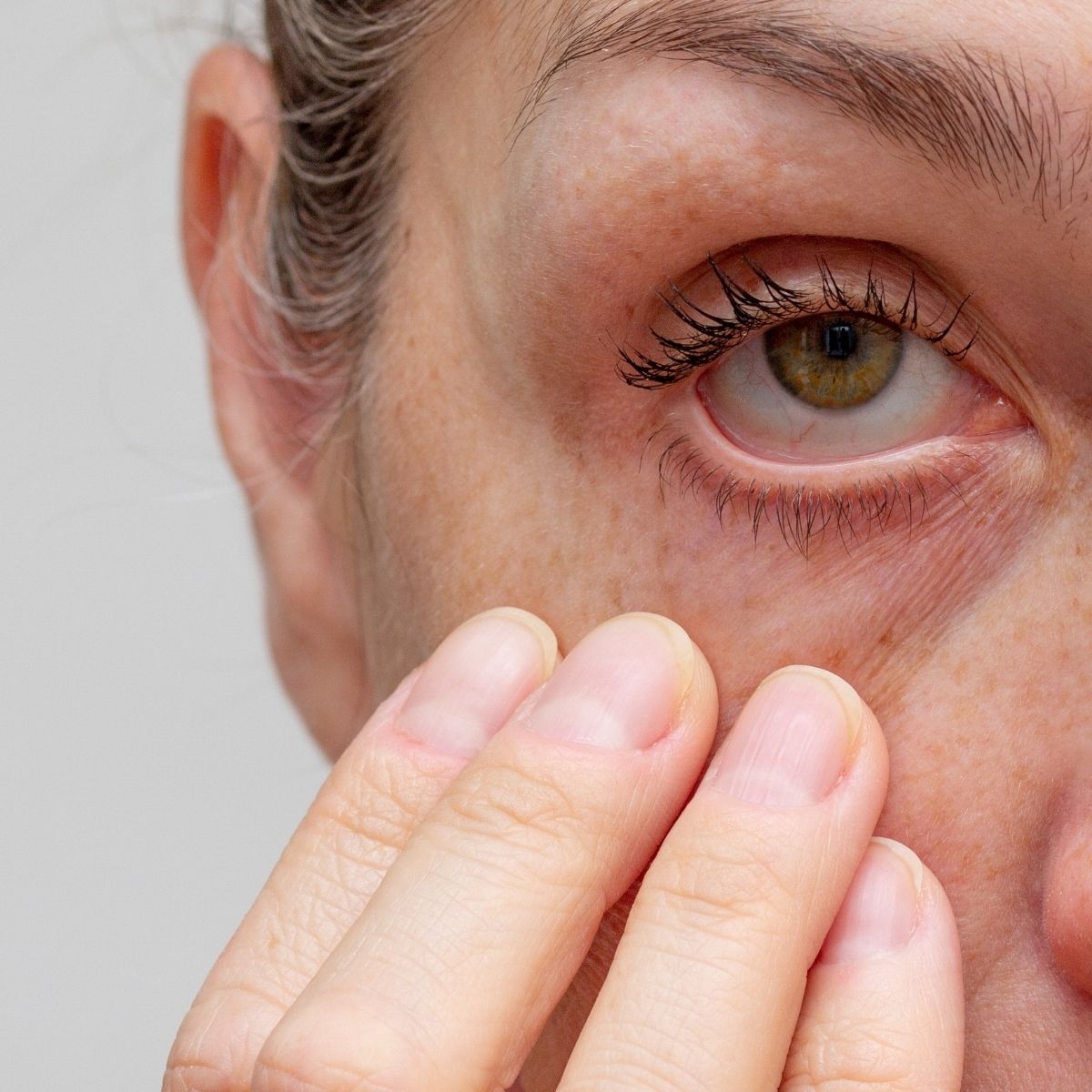
Do your eyes constantly itch, water, burn, or feel irritated?
Many people assume these symptoms are caused by seasonal allergies. However, dry eye disease is another common cause of itchy, watery eyes and can often be mistaken for allergies.
At Brampton Eye Clinic, we frequently see patients who have been treating their symptoms for months without realizing they may be dealing with dry eye rather than allergies.
Here's how to tell the difference.
Why Are My Eyes Itchy and Watery?
Itchy and watery eyes are among the most common eye complaints, especially during allergy season.
While allergies are a common cause, dry eye disease can produce many of the same symptoms.
In fact, dry eyes often trigger excessive tearing. When the surface of the eye becomes dry and irritated, it produces reflex tears in an attempt to protect itself. Unfortunately, these tears don't provide the long-lasting lubrication your eyes need, so symptoms continue.
Signs Your Symptoms May Be Caused by Allergies
Eye allergies occur when the eyes react to allergens such as pollen, dust, pet dander, or mold.
Common symptoms include:
Intense itching
Watery eyes
Redness
Puffy eyelids
Sneezing or a runny nose
Symptoms that worsen outdoors or during allergy season
If itching is your primary symptom, allergies may be the cause.
Signs Your Symptoms May Be Caused by Dry Eye
Dry eye disease occurs when your eyes do not produce enough quality tears to properly lubricate the eye's surface.
Common symptoms include:
Burning or stinging eyes
A gritty or sandy sensation
Blurry vision that comes and goes
Eye fatigue
Sensitivity to light
Excessive tearing
Symptoms that worsen during screen use
If your eyes feel tired, burn throughout the day, or your vision fluctuates while reading or using a computer, dry eye may be the underlying issue.
Dry Eye vs. Allergies: Quick Comparison
Symptom | Allergies | Dry Eye |
Itching | Common | Sometimes |
Burning | Sometimes | Common |
Watery Eyes | Common | Common |
Blurry Vision | Rare | Common |
Eye Fatigue | Rare | Common |
Sneezing or Runny Nose | Common | No |
Worse During Screen Use | Rare | Common |
Seasonal Flare-Ups | Common | Sometimes |
Can You Have Both?
Yes.
Many patients experience both allergies and dry eye at the same time. Allergies can increase inflammation on the eye's surface, while some allergy medications may contribute to dryness.
Because symptoms overlap, it can be difficult to determine the true cause without a professional evaluation.
When Should You See an Eye Doctor?
You should schedule an eye exam if:
Your symptoms persist for several weeks
Over-the-counter eye drops aren't helping
Your vision becomes blurry
You experience burning or stinging
Eye discomfort affects your work, reading, or daily activities
An eye examination can help identify the underlying cause of your symptoms and ensure you receive the most effective treatment.
Dry Eye Treatment in Brampton
At Brampton Eye Clinic, we evaluate the health of your eyes and tear film to determine whether your symptoms are caused by dry eye, allergies, or a combination of both.
Based on your needs, treatment options may include:
Artificial tears
Warm compress therapy
Eyelid hygiene recommendations
Dry eye management strategies
Personalized treatment plans to improve comfort and vision
Find Relief From Itchy, Watery Eyes
If you're struggling with itchy eyes, watery eyes, redness, burning, or blurry vision, don't assume allergies are the cause.
A comprehensive eye examination can help determine whether dry eye disease, allergies, or another condition is responsible for your symptoms.
Contact Brampton Eye Clinic today to book an appointment and take the first step toward healthier, more comfortable eyes.
Frequently Asked Questions
Can dry eye cause watery eyes?
Yes. Dry eyes can trigger excessive tearing as the eye attempts to compensate for dryness and irritation.
How do I know if I have allergies or dry eye?
Itching is more commonly associated with allergies, while burning, fluctuating vision, and eye fatigue are more often linked to dry eye disease. An eye exam can provide an accurate diagnosis.
Can allergies make dry eye worse?
Yes. Allergies can increase inflammation on the eye's surface, which may worsen dry eye symptoms.


- Monday11:00AM - 7:00PM
- TuesdayClosed
- Wednesday11:00AM - 7:00PM
- Thursday11:00AM - 7:00PM
- Friday10:00AM - 5:30PM
- Saturday10:00AM - 5:00PM
- SundayClosed
In the Oshawa area? You can visit oshawaeyecare.com in Oshawa, ON
© 2026 Brampton Eye Clinic | All rights Reserved | Accessibility Statement | Privacy Policy
Powered by
