


499 Main Street S #81
Brampton, Ontario L6Y 1N7

Do I Need Glasses? 10 Signs It's Time for an Eye Exam | Brampton Eye Clinic
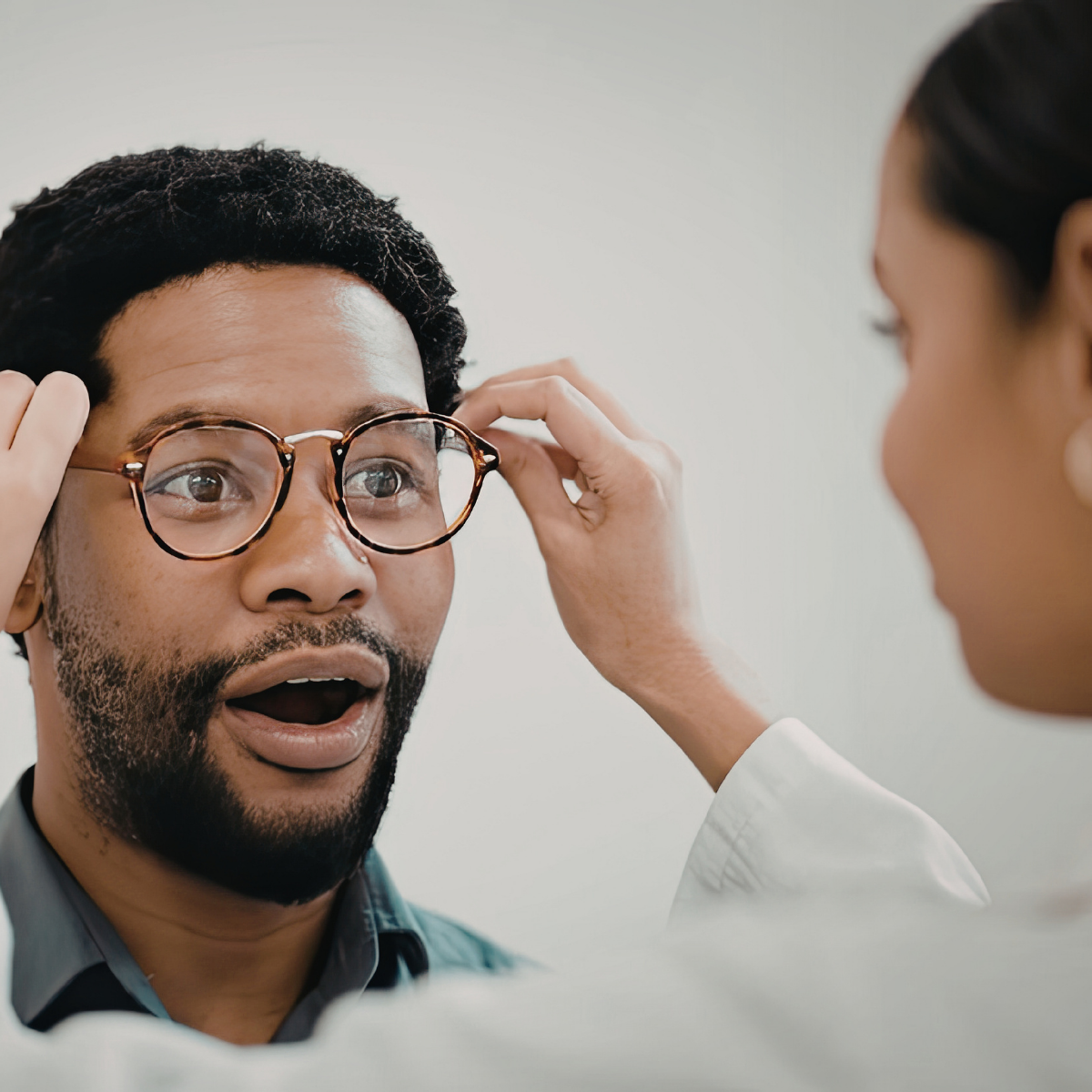
Noticing that things aren't as clear as they used to be?
Whether you're squinting to read road signs, holding your phone farther away, or experiencing more headaches than usual, your eyes could be trying to tell you something.
While many people assume they simply need new glasses, changes in your vision can also be caused by dry eye, cataracts, or other eye conditions. A comprehensive eye exam is the best way to identify the cause and help you see your best.
Quick Answer
You may need glasses if you're experiencing blurry vision, squinting, frequent headaches, eye strain, difficulty reading, or trouble seeing at night. However, these symptoms can also be caused by other eye conditions, so a comprehensive eye exam is the best way to determine what's affecting your vision.
Some vision changes develop so gradually that you may not notice them until they begin affecting everyday activities like reading, driving, or using a computer.
Key Takeaways
- Blurry vision isn't the only sign you may need glasses.
- Headaches, eye strain, and difficulty driving at night can also indicate a change in your vision.
- Some symptoms may be caused by dry eye or other eye conditions—not just your prescription.
- A comprehensive eye exam is the best way to protect both your vision and your long-term eye health.
10 Signs You May Need Glasses
1. Blurry Vision
Whether you're reading, working on a computer, or driving, blurry vision is often one of the first signs your prescription may have changed.
2. You're Squinting More Often
Squinting may temporarily sharpen your focus, but it's also your eyes' way of trying to compensate for blurry vision.
3. Frequent Headaches
If you regularly develop headaches after reading, driving, or using digital devices, your eyes may be working harder than they should.
4. Your Eyes Feel Tired or Strained
Eye fatigue isn't something you should simply accept as part of your day. Uncorrected vision problems can make even simple tasks more demanding on your eyes.
5. You're Holding Your Phone or Books Farther Away
This is a common sign of presbyopia, a normal age-related change in near vision that often begins in your 40s.
6. Driving at Night Is Becoming More Difficult
If headlights seem brighter, road signs are harder to read, or you notice halos around lights, your prescription may have changed.
7. You're Sitting Closer to the TV or Computer Screen
If you're moving closer to see clearly, your vision may have gradually changed without you realizing it.
8. Your Vision Comes and Goes
If your vision is clear one moment and blurry the next, it may not be your prescription.
Dry eye disease and other eye conditions can cause fluctuating vision, making a comprehensive eye exam especially important.
9. It's Been More Than Two Years Since Your Last Eye Exam
Even if your vision seems fine, routine eye exams help detect small prescription changes and identify eye diseases before symptoms develop.
10. Your Current Glasses No Longer Feel Right
If you're constantly adjusting your glasses, tilting your head to see clearly, or removing them because they don't seem to help anymore, it may be time for an updated prescription.
Symptom Checker
Symptom | Could It Mean You Need Glasses? |
Blurry vision | ✅ Often |
Squinting | ✅ Common |
Frequent headaches | ✅ Possible |
Eye strain | ✅ Common |
Difficulty driving at night | ✅ Often |
Holding reading material farther away | ✅ Common after age 40 |
Vision that comes and goes | ⚠️ Could also indicate dry eye or another eye condition |
Sudden vision loss | 🚨 Seek immediate medical attention |
Flashes of light or a curtain over your vision | 🚨 Seek immediate medical attention |
What Many People Don't Realize
Many patients are surprised to learn that needing glasses isn't always the reason for blurry vision.
During a comprehensive eye exam, your optometrist may discover that your symptoms are actually related to:
Dry eye disease
Cataracts
Glaucoma
Diabetes-related eye disease
Other eye health conditions
Because many of these conditions develop gradually, it's easy to assume your vision is simply changing with age.
That's why an eye exam is about much more than updating your prescription—it's an important part of protecting your long-term eye health.
Think You Need Glasses? Here's What Happens During an Eye Exam
If it's been a while since your last visit, you may be wondering what to expect.
During your comprehensive eye exam, we'll:
Check your vision and determine whether your prescription has changed.
Assess the overall health of your eyes.
Screen for common eye diseases.
Answer your questions about your vision.
Recommend glasses, contact lenses, or treatment if needed.
Most appointments take less than an hour and provide valuable information about both your vision and eye health.
Frequently Asked Questions
Can I need glasses even if my vision seems okay?
Yes. Vision often changes gradually, and many people adapt without realizing their eyesight has declined.
Can headaches mean I need glasses?
Yes. An outdated prescription can cause your eyes to work harder, leading to headaches and eye strain, especially after reading or using digital devices.
Is blurry vision always caused by needing glasses?
No. Blurry vision can also be caused by dry eye, cataracts, glaucoma, diabetes, and other eye conditions. A comprehensive eye exam is the best way to determine the cause.
When Should You Book an Eye Exam?
Book an eye exam if you notice:
Blurry or fluctuating vision
Frequent headaches
Eye strain
Difficulty driving at night
Trouble reading or using digital devices
Changes in your current glasses prescription
Early diagnosis can help preserve your vision and identify eye conditions before they become more serious.
Book Your Eye Exam at Brampton Eye Clinic
Vision changes often happen so gradually that many people don't realize how much clearer life can be until they update their prescription.
If you're wondering whether you need glasses, the easiest way to find out is with a comprehensive eye exam.
Our experienced team will assess your vision, evaluate your overall eye health, and determine whether glasses, contact lenses, or another treatment is the best solution for your needs.
Whether you need your first pair of glasses, an updated prescription, or simply peace of mind, we're here to help.
Book your comprehensive eye exam at Brampton Eye Clinic today and take the first step toward clearer, healthier vision.


- Monday11:00AM - 7:00PM
- TuesdayClosed
- Wednesday11:00AM - 7:00PM
- Thursday11:00AM - 7:00PM
- Friday10:00AM - 5:30PM
- Saturday10:00AM - 5:00PM
- SundayClosed
In the Oshawa area? You can visit oshawaeyecare.com in Oshawa, ON
© 2026 Brampton Eye Clinic | All rights Reserved | Accessibility Statement | Privacy Policy
Powered by
